
As America celebrates its 250th anniversary, it’s an excellent time to reflect on Florida’s role in the American Revolution. During this time, Florida was a British colony, and many prisoners were held in Fort Mark and the surrounding community. Fort Mark, also known as the star-shaped Castillo de San Marcos in St. Augustine, was a significant location for British control in East Florida.
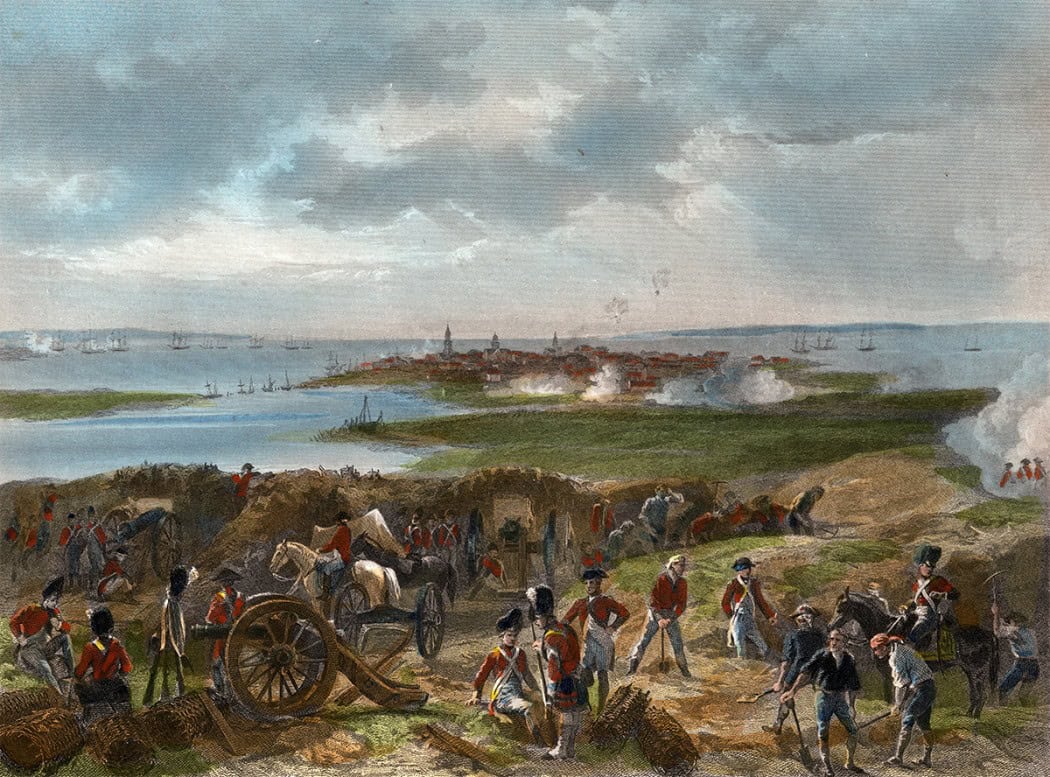
In 1763, following the Seven Years’ War, Spain provided Great Britain with Florida in exchange for the return of Havana. This meant that during the American Revolution, Florida was a British colony. The British rule of Florida differed from the Spanish rule, with the British bringing in large numbers of settlers. Many loyal to the king moved from Georgia and the Carolinas to Florida, increasing the population of Florida cities. One significant event during the Revolution was the British siege of Charleston, which lasted almost three months, from March 29, 1780, to May 12, 1780. The British captured 5,000 American soldiers, sailors, and militia, in addition to 300 canons, gunpowder, and muskets.
The British took 63 prominent citizens from Charleston and imprisoned them in St. Augustine, Florida. Three people who signed the Declaration of Independence were part of this group: Thomas Heyward, Jr., Arthur Middleton, and Edward Rutledge. They were allowed to serve house arrest under the British.
This piece of history highlights Florida’s significant role in the American Revolution, particularly in the context of British control and the impact on local communities.
Originally reported by Hernando Sun
Sources: Hernando Sun